Spend £150 for 20% Off | Spend £500 for 30% Off
Spend £150 for 20% Off | Spend £500 for 30% Off

£44.90
| Volume Pricing | |
|---|---|
| Spend £150+ (20% off) | £23.12 |
| Spend £500+ (30% off) | £20.23 |
Spending over £1000? Email us your order and we will custom price.
Free shipping on orders over £20

ALL ARTICLES AND PRODUCT INFORMATION PROVIDED ON THIS WEBSITE ARE FOR INFORMATIONAL AND EDUCATIONAL PURPOSES ONLY.
The products offered on this website are furnished for in-vitro studies only. In-vitro studies are performed outside of the body. These products are not medicines or drugs and have not been approved to prevent, treat or cure any medical condition, ailment or disease. Bodily introduction of any kind into humans or animals is strictly forbidden.
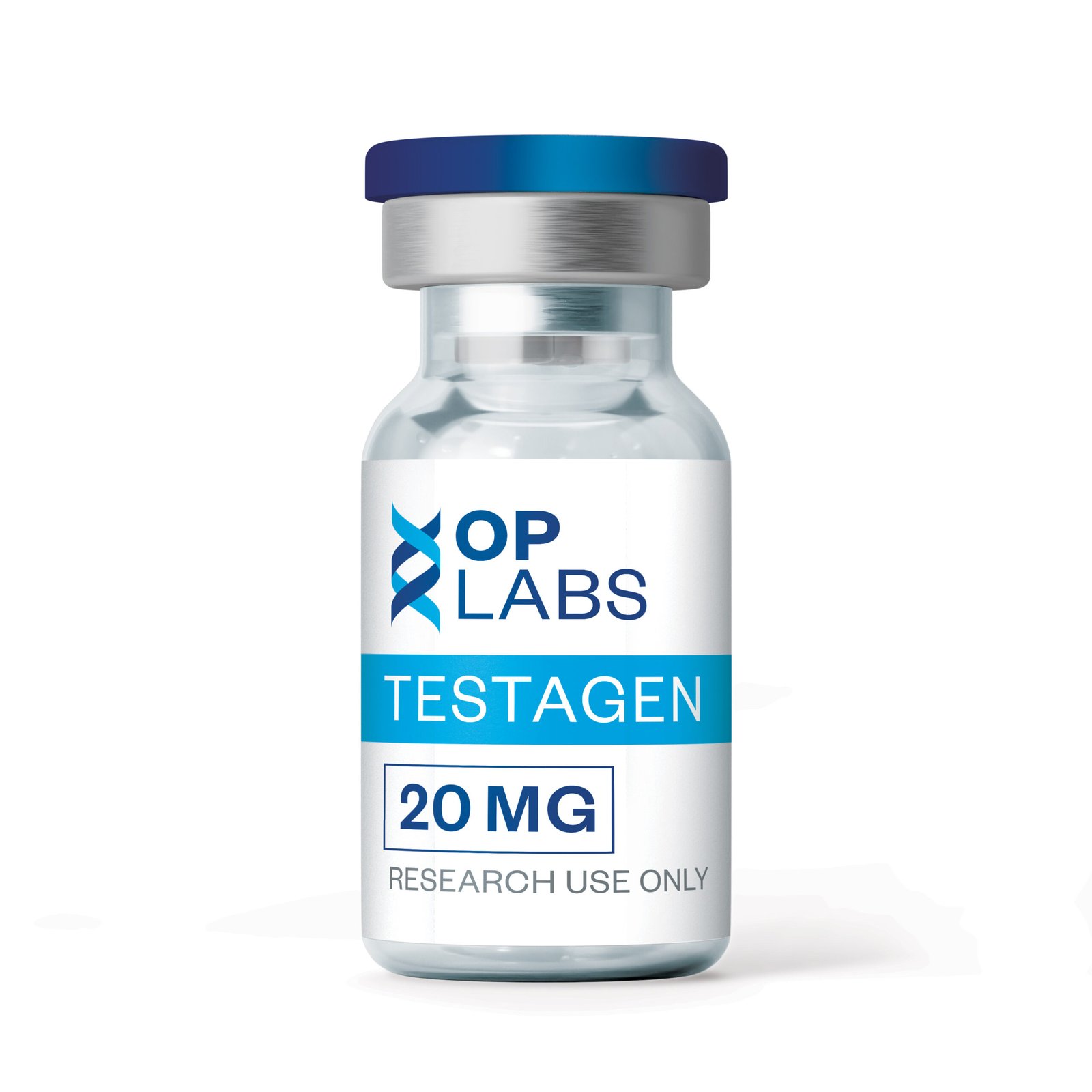
Oxford Peptides Testagen (KEDG) is studied in vitro as a testis-directed short-peptide probe. Within the Khavinson framework it is proposed to act at the chromatin/transcriptional level to modulate expression of genes associated with testicular (Leydig/Sertoli) cell function in experimental systems.
It is used as a tool to examine peptide-driven regulation of proliferation and steroidogenesis-associated gene expression in organotypic cultures and rodent models, and as a comparator in tissue-specificity panels. Observed effects depend on concentration, model system and exposure conditions; no physiological outcome is implied.
| Parameter | Typical Value / Range |
|---|---|
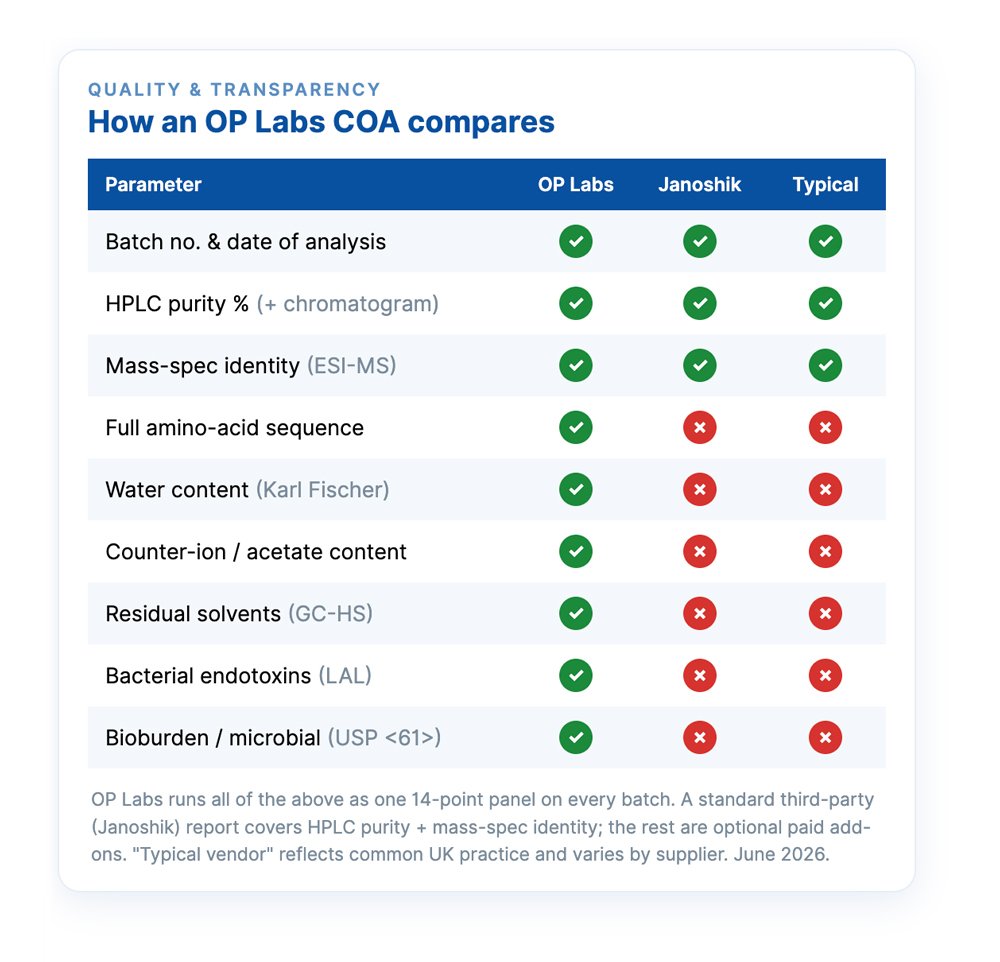
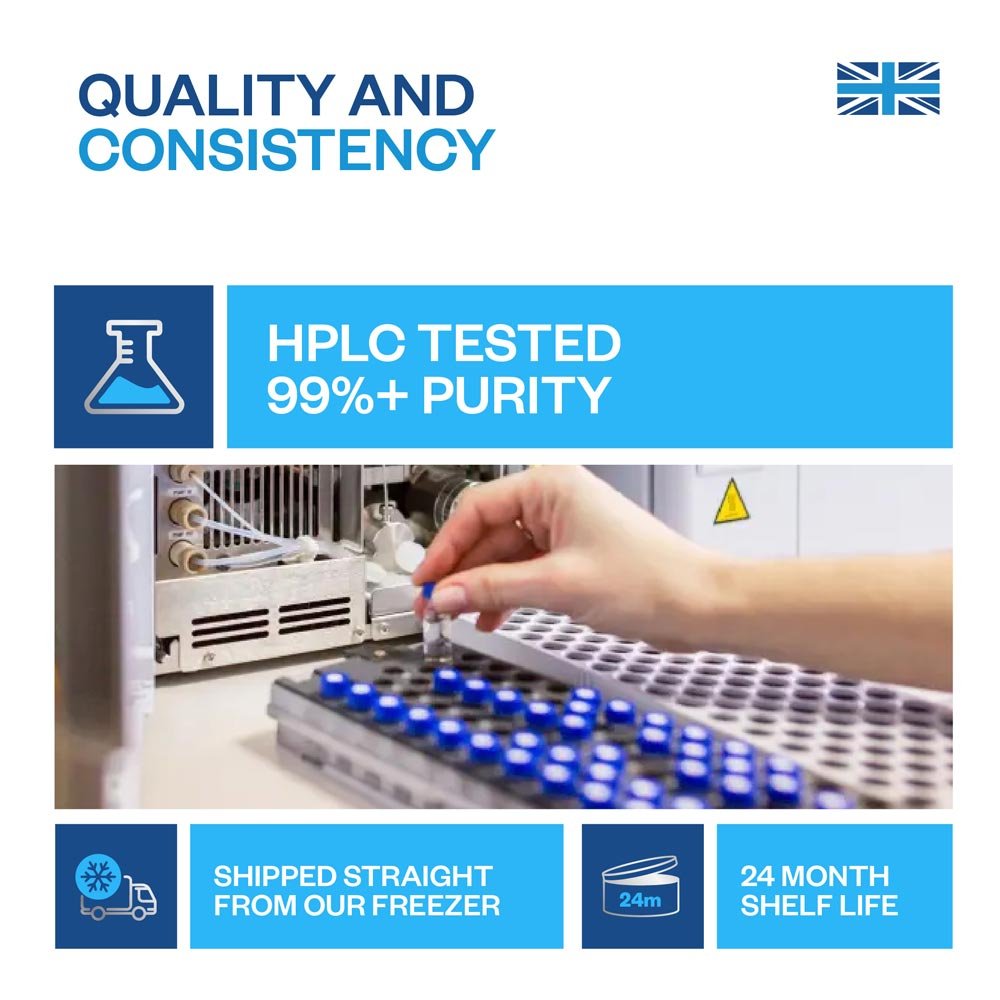
| Purity (HPLC) | ≥ 99 % |
| Appearance | White to off-white lyophilised powder |
| Molecular Weight | 447.44 g/mol |
| Peptide Type | Synthetic tetrapeptide bioregulator (Khavinson cytogen family; testis) |
| Solubility | Water, buffered aqueous solutions |
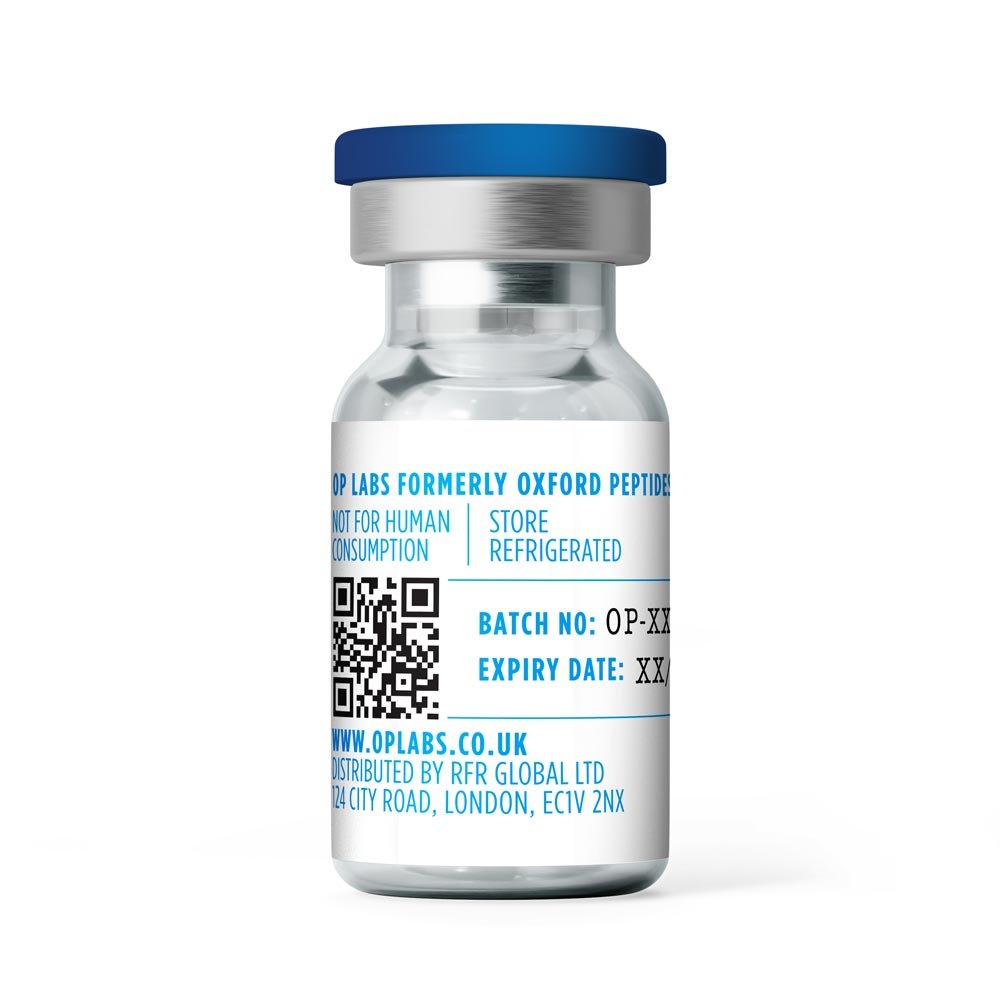
| Storage | –20 °C, desiccated, dark |
| Pack Size | 20 mg (total) |